
One of the most critical factors influencing the gaming experience is server location. Whether you’re hosting a small private server or managing a large public one, the physical location of your server can significantly impact performance, player satisfaction, and overall gameplay. In this article, we’ll explore why server location matters and how to choose the best server location for your gaming community.
1. Latency and Ping: The Core of Player Experience
Latency, often referred to as “ping,” is the time it takes for data to travel from a player’s device to the server and back. Low latency is crucial for real-time online games, where even a slight delay can affect gameplay, leading to lag, delayed actions, and an overall frustrating experience.
- Proximity Matters: The closer your server is to your players, the lower the latency. If your server is located far from your player base, it will take longer for data to travel, resulting in higher ping times.
- Impact on Gameplay: In fast-paced games like first-person shooters (FPS), real-time strategy (RTS) games, or massively multiplayer online games (MMOs), low latency is essential for responsive controls and smooth gameplay. High ping can lead to delayed actions, giving players with lower latency an unfair advantage.

2. Regional Player Base Considerations
Understanding where the majority of your players are located can help you choose the best server location. Hosting your server in a region close to your player base can significantly improve their experience.
- Regional Servers: Many popular games use regional servers to cater to players in specific geographical areas. For example, North America, Europe, and Asia might each have their own server to ensure players experience the lowest possible latency.
- Player Concentration: If you know most of your players are located in a particular region, it’s wise to choose a server location in or near that area. This ensures the majority of your community enjoys optimal performance.
- Multi-Region Hosting: If your player base is spread across multiple regions, consider hosting multiple servers in different locations. This allows players to choose the server closest to them, reducing latency for everyone.
3. Server Location and Connection Stability
In addition to latency, server location can affect connection stability. A server located closer to your players is less likely to experience connection drops or interruptions due to long data travel distances or network congestion.
- Internet Infrastructure: Some regions have more robust and reliable internet infrastructure than others. Hosting your server in a region with strong infrastructure can help ensure stable connections and reduce the risk of disconnections.
- Reduced Packet Loss: Packet loss occurs when data packets traveling between the player and server are lost or delayed. Servers located closer to players generally experience less packet loss, leading to a more stable gaming experience.
4. Geopolitical Considerations and Data Privacy
The location of your game server can also have implications for data privacy and compliance with local laws. Different regions have different regulations regarding data storage, privacy, and transfer.
- Data Sovereignty: Depending on the region, local laws may require that player data be stored within the country. Hosting your server in a region that complies with these laws can help avoid legal issues.
- Geopolitical Stability: Consider the political stability of the region where you plan to host your server. Regions with unstable political climates might pose risks to server uptime and data security.
5. Cost Implications of Server Location
The cost of hosting a server can vary depending on its location. While it might be tempting to choose a cheaper server location, it’s important to balance cost with the need for performance and stability.
- Cost vs. Performance: Some regions offer cheaper hosting options, but they might come with trade-offs in terms of performance or latency. Be sure to weigh the benefits of lower costs against potential impacts on gameplay.
- Bandwidth Costs: Bandwidth costs can also vary by region. Hosting in a region with higher bandwidth costs could increase your overall hosting expenses, especially if your game requires a lot of data transfer.
Read also about: Essential Features to Look for in a Game Server Hosting Provider.
6. Choosing the Right Server Location
Selecting the right server location involves balancing various factors, including player proximity, connection stability, legal considerations, and cost. Here are some tips to help you choose:
- Analyze Your Player Base: Use analytics tools to determine where the majority of your players are located. This information is crucial for choosing the best server location.
- Test Latency: Before committing to a server location, run latency tests to see how different regions perform. This can help you identify the best option for your players.
- Consider Multi-Region Hosting: If your player base is spread out, consider setting up multiple servers in different regions. This approach can improve performance for players across the globe.
Conclusion
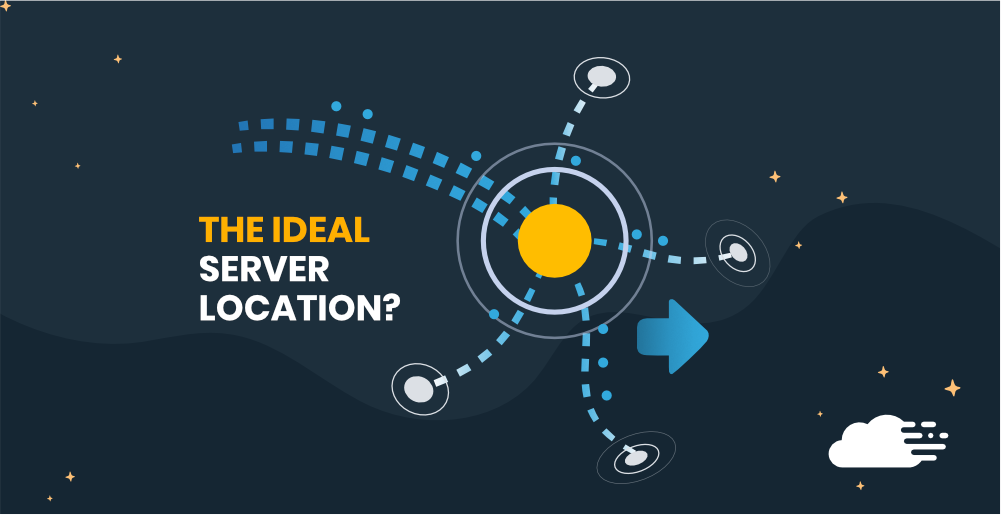
Server location is a critical factor in game hosting that can significantly impact latency, connection stability, and player satisfaction. By choosing a server location close to your player base, considering regional laws and costs, and testing performance across different regions, you can provide a better gaming experience for your community. Remember, the right server location can make the difference between a game that players love and one they find frustrating.